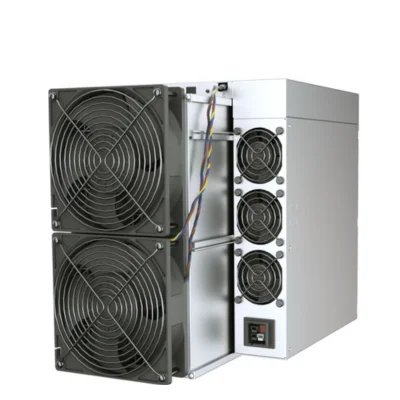
Is your ASIC miner still profitable in 2026? For many miners, the honest answer is no unless you are running efficient hardware and paying roughly $0.07 per kWh or less. In April 2026, S21-class machines can still work under the right power contract. A lot of S19-era hardware cannot. That is the line that matters more than the headline Bitcoin price.
If you need the calculator view first, start with the BTC mining calculator breakdown. If you are still deciding which machine to buy or replace, the ASIC buying guide will save you from comparing bad hardware to good hardware as if they belong in the same market.

Why ASIC profitability got harder in 2026
Bitcoin mining is being squeezed from three sides at once: lower revenue per unit of hashrate than the best part of 2025, a block subsidy that already stepped down after the halving, and electricity rates that have not magically become friendlier just because miners need relief.
That is why the profitability conversation has to start with hashprice and power cost, not with hope. When miners shut down after a difficulty drop, it is not because they suddenly forgot how to mine. It is because their operating model stopped working.
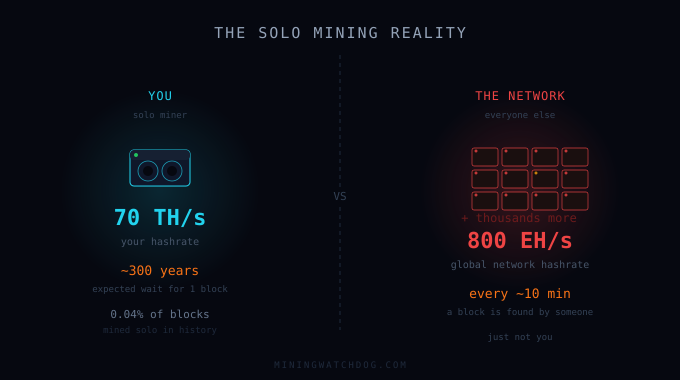
If you have been tempted by solo-mining headlines, separate that conversation from the base economics. Solo mining variance can make a hard business look exciting for a week, but it does not rescue a weak machine.
What electricity rate still works for modern ASICs?
At current conditions, electricity still decides almost everything.
| Machine | Approximate efficiency | Power rate where it can still make sense |
|---|---|---|
| Antminer S23 Hyd | About 9.5 J per TH | Up to around $0.12 per kWh |
| Antminer S21 Pro | About 16.5 J per TH | Up to around $0.075 per kWh |
| Antminer S21 XP Hyd | About 15 J per TH | Up to around $0.08 per kWh |
| Antminer S21 200 TH | About 17.5 J per TH | Up to around $0.068 per kWh |
| Antminer S19 XP | About 21.5 J per TH | Up to around $0.055 per kWh |
| Antminer S19 Pro | About 29.5 J per TH | Closer to $0.038 per kWh |
If you are paying residential rates in the US or Europe, a lot of home setups are already out of room. That is not a moral failing. It is just the current math.
Which ASICs are still worth watching?
The machines I would still pay attention to are the ones that give you a margin buffer instead of a razor-thin survival window.
- The Antminer S21 Pro remains one of the cleaner all-around options for serious SHA-256 operators.
- The Antminer S21 can still work when the entry price is right and power is strong.
- Older hardware like the S19 XP Hyd only makes sense if you buy it cheap enough and run it in a favorable environment.
If you want to compare the broader market instead of one or two listings, use the SHA-256 category page and then look across all marketplace products to see whether you are paying a premium for narrative rather than value.
Should you upgrade from S19-class hardware?
In many cases, yes. If you are colocating around $0.07 per kWh, the efficiency jump from S19-class gear to S21-class gear still matters enough to justify serious attention.
That does not mean you should buy blindly. It means you should compare the lost margin from older hardware against the capital cost of a better machine. That is exactly where the new-versus-used decision becomes strategic instead of cosmetic.
And if you want a cleaner benchmark for payback assumptions, the S21 ROI calculator article gives you a practical template.
What I would actually do with each kind of setup
This is the practical version.
- Running S19-era machines at home: Shut them down or move them to cheaper power if you can. Sentiment is not a margin strategy.
- Running S21-era machines in decent colocation: Stay disciplined and watch two or three difficulty cycles before making a rushed upgrade decision.
- Buying hardware today: Favor efficient machines from vetted sellers, then stress-test the economics before you buy.
- Considering other algorithms: If your infrastructure fits Scrypt or another segment better, compare that honestly instead of forcing a weak Bitcoin setup. The VolcMiner D1 Hydro review is a useful counterpoint when you are comparing hardware classes.
What about algorithm alternatives if SHA-256 margins are too thin?
Sometimes the right answer is not to squeeze one more month out of a weak Bitcoin machine. Sometimes it is to stop pretending every ASIC belongs in the same bucket.
If your site and power profile fit merged-mining hardware better, browse the Scrypt ASIC miner category. Machines such as the VolcMiner D1 and the Antminer L7 belong to a different operating conversation than old SHA-256 boxes hanging on for dear life.
The part that actually matters
Mining profitability in 2026 is not dead. It is selective. Efficient hardware, cheap power, and disciplined buying still create room for profit. Weak hardware, expensive electricity, and wishful thinking do not.
If you are shopping right now, I would compare live listings, review seller quality in the supplier directory, and make the decision from there. The right machine can still work. The wrong machine will teach you the lesson every day on your power bill.