Home bitcoin mining is getting harder right now because the short-term difficulty dip does not change the bigger math. Power is still expensive in many places, hashprice is still weak, and a lot of older SHA-256 machines are now one bad power bill away from being useless. If you’re mining at home, the move is not to blindly keep every rig online. The move is to get brutally honest about your electricity rate, your machine efficiency, your noise and heat limits, and whether your box still earns more than it burns. If you have not checked that math recently, start with Is Your ASIC Miner Still Profitable in 2026?.
For anyone engaged in home bitcoin mining, understanding the complexities of this process is essential.
What is happening with home bitcoin mining right now
Home bitcoin mining is becoming increasingly scrutinized due to rising difficulties.
As of May 2, 2026, Bitcoin hashprice, meaning the revenue miners earn per petahash per day, sits around $37.44 per PH/s/day on Hashrate Index. The same page shows Bitcoin near $78,164, network hashrate around 955 EH/s, and projected difficulty near 132.47T. On mempool.space, the previous difficulty adjustment was -2.43% and the next one is still projected lower by roughly 3%.
The current trends in home bitcoin mining show that many miners are adapting.
That sounds like relief. It is relief, but only for a minute. Hashrate Index’s Q2 2026 heatmap update said the network’s 30-day average hashrate fell to about 1,004 EH/s, down 5.8% from Q1, and estimated roughly 252 EH/s of older 25+ J/TH hardware is sitting offline because margins got too tight. That’s the part small miners should pay attention to. The network is not suddenly easy. It is just shaking out weaker machines. If you want the broader margin backdrop behind that shakeout, read ASIC Mining Profitability 2026: Why Most Miners Are Already Losing Money.
Challenges in home bitcoin mining require careful analysis of operational costs.
And at home, you usually have the same problem as the weak fleet. You pay retail power, not industrial power. You deal with heat in a garage, basement, or spare room. And you’re probably not running the newest machine in the market. If you want to browse what newer SHA-256 ASIC miners look like compared with older units, start there before you assume your current box still makes sense.
Why a lower difficulty adjustment does not fix the bigger problem
The big mistake home miners make is treating every negative difficulty adjustment like a rescue signal. It isn’t. A difficulty drop helps only if your machine was close to breakeven already. If your rig is old, inefficient, loud, and plugged into $0.12 to $0.18 per kWh residential power, a small difficulty break does not turn bad mining into good mining. It just slows the bleeding.
Many home bitcoin mining setups are at risk if not managed correctly.
- Power costs are still the killer. Retail electricity wipes out margins faster than most beginners expect.
- Older hardware is being pushed out. When newer miners run around the high-teens J/TH and your machine is living in the high-20s or 30s, you feel it every day.
- Home overhead is real. Noise control, extra ventilation, dust, breaker limits, and downtime all eat into the neat calculator numbers people post online.
- Big miners can survive longer. They buy power better, repair boards faster, and rotate fleets before small operators even know the market shifted.
So yes, the recent difficulty softness matters. But it does not cancel out bad power or bad hardware. If anything, it highlights the real divide in 2026. Efficient machines with cheap power can keep stacking sats. Everybody else needs a stricter plan.
With the right strategy, home bitcoin mining can still be profitable.
What the numbers mean for people mining at home
Those involved in home bitcoin mining should stay updated with market changes.
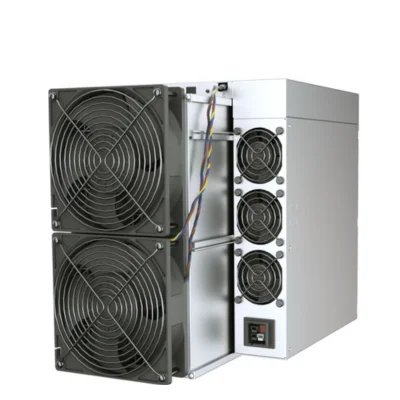
Here is the practical view using today’s rough hashprice of $37.44 per PH/s/day. I used two common reference points: a newer Antminer S21 Pro 234TH class machine and an older Antminer S19j Pro 100TH class machine. This is gross mining income before pool fees, repair costs, and downtime. If you want the machine-level ROI walkthrough for a newer unit, pair this with BTC Mining Calculator 2026: Exact Antminer S21 ROI at $0.05 to $0.15/kWh.
| Electricity rate | S21 Pro 234TH daily result | S19j Pro 100TH daily result | What that usually means at home |
|---|---|---|---|
| $0.05/kWh | About $4.55 gross profit/day | About $0.08 gross profit/day | The newer machine is workable. The older one is barely alive. |
| $0.08/kWh | About $2.02 gross profit/day | About -$2.12 gross loss/day | This is where older home mining starts looking like denial. |
| $0.10/kWh | About $0.34 gross profit/day | About -$3.58 gross loss/day | Even good hardware is close to a rounding error. |
| $0.12/kWh | About -$1.35 gross loss/day | About -$5.05 gross loss/day | Most home miners should stop pretending this is profitable. |
| $0.15/kWh | About -$3.88 gross loss/day | About -$7.24 gross loss/day | You are paying for heat, noise, and hope. |
That table is why home bitcoin mining now depends more on power rate and machine efficiency than on hype. If you want to compare newer listings, check the full mining hardware catalog, proven machines like the Whatsminer M60S, and stronger hydro or high-efficiency units like the Antminer S19 XP Hyd 255TH. The gap between acceptable and dead hardware is getting wider, not narrower.
Investing wisely in home bitcoin mining can yield favorable results if done properly.
What I would actually do if I were mining at home right now
If I were starting from scratch at home today, I would not buy an old bargain machine just because the sticker price looks cheap. I’ve seen too many miners do that, then realize a week later that they bought themselves a louder electricity bill, not a business.
- I would calculate my real all-in power cost first. Not the fantasy number. The real one on the bill, with taxes and delivery charges included.
- If my power was above about $0.10/kWh, I would treat home mining as a hobby, heat reuse experiment, or lottery-style sats stacker. I would not call it profitable Bitcoin mining.
- If my power was cheap enough, I would buy one efficient SHA-256 machine, keep it simple, and leave room in the budget for airflow, noise control, and one repair event.
- If I already owned an aging S19-class rig, I would test downclocking before shutting it off completely. But I would shut it down fast if the numbers stayed negative.
- If I wanted exposure to mining without fighting residential power, I would wait, save more cash, and buy better hardware later instead of forcing a bad setup now. And if I were stuck between replacing an old box and buying something newer, I would read Buying ASIC Miners in 2026: New vs Used. What the Calculators Don’t Tell You before spending a dollar.
That is the blunt answer. The beginner move in 2026 is not chasing the cheapest machine on Telegram. It is avoiding the hardware mistakes that lock you into bad economics from day one.
The gear that still makes more sense for small miners
If you still want to mine at home or in a very small setup, focus on efficiency first. Start with the live SHA-256 category and compare newer-generation boxes against older S19-era units. I would look first at machines in the class of the Antminer S21 Pro 234TH or Whatsminer M60S, then compare them against your power rate and cooling reality.
Aspects of home bitcoin mining can be optimized to enhance profitability.
If your current machine is too old to justify the power draw, stop romanticizing it. Sell it, repurpose it, or park it until conditions improve. And if you want to offload hardware or move into selling instead of mining, our supplier program is there for that path too.
Home mining is not dead. But easy home mining is. The miners who stay in the game from here will be the ones who respect the math early, cut weak setups fast, and only run hardware that still deserves the power coming out of the wall.
Ultimately, strategic planning is crucial for successful home bitcoin mining endeavors.